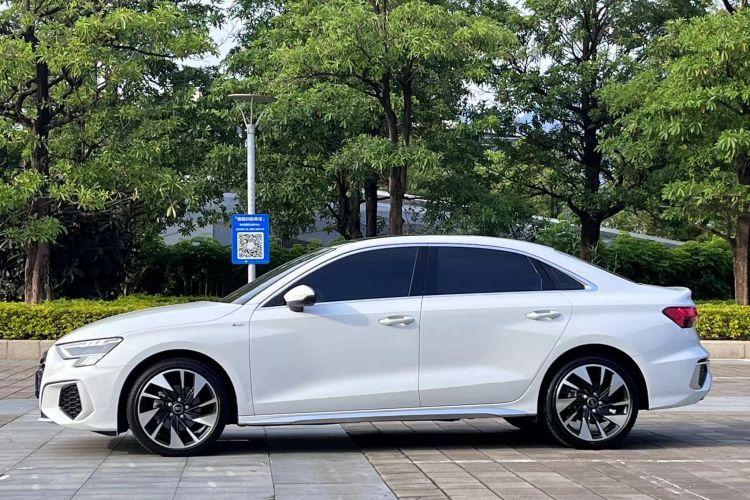
For the past few years, China’s used car export market has felt like the Wild West. But as of 2026, the party is officially over for many small-scale traders. New regulations from Beijing are targeting the controversial practice of exporting brand-new cars disguised as “used” ones—a move that industry insiders warn could wipe out half of the country’s small to mid-sized export firms.
The End of the “Zero-Mileage” Loophole
The core of the issue lies in what the industry calls “Zero-Mileage Used Cars.” To bypass strict export licenses and high tariffs intended for new vehicles, many Chinese traders have been registering new cars locally and immediately exporting them as “used.”
In 2025, these “pseudo-used” cars accounted for a staggering portion of exports, with some estimates suggesting they made up over 90% of China’s new energy vehicle (NEV) exports. While this fueled a 145-fold increase in export volume since 2019, it created a chaotic market where vehicles were sold without warranties or after-sales support, damaging the reputation of Chinese brands abroad.
What’s Changing?
The new policy, jointly issued by the Ministry of Commerce and other key departments, introduces several “deal-breakers” for gray-market traders:
- The 180-Day Rule: Vehicles must now be registered for at least 180 days before they can be exported as used cars. This effectively kills the “buy and flip” model for new vehicles.
- Manufacturer Authorization: To export cars with less than 180 days of registration, traders must now provide an official “After-Sales Service Commitment” from the original manufacturer. This effectively hands control back to the major car brands (OEMs) and their authorized partners.
- Modification Standards: The government is also tightening the screws on modified vehicles, requiring proof of “genuine modification” to prevent traders from using minor cosmetic changes to bypass export categories.
Short-Term Pain, Long-Term Gain
Industry veterans expect 2026 to be a “year of reckoning.” Of the roughly 3,000 companies currently engaged in used car exports in China, experts predict at least half will be forced out of the market. These are mostly small teams and individual brokers who lack the infrastructure to provide genuine maintenance and spare parts services.
“The industry is shifting from ‘scale at any cost’ to ‘high-quality competition,'” says Liu Hua, a veteran in the used car sector. “We are moving away from just selling a product to selling a service chain. In markets like Russia, Central Asia, and Africa, customers don’t just want a cheap car; they need a stable supply of parts and reliable repair services.”
The Global Impact
While export volumes might see a temporary dip as the market adjusts, the move is designed to stabilize domestic prices and protect the long-term credibility of Chinese automotive exports.
For international buyers, this means the era of cheap, “no-questions-asked” Chinese car imports is ending. In its place, we should expect a more professionalized market dominated by authorized dealers who can actually back up their sales with service—bringing China’s export model closer to the established systems used by Japan and South Korea.