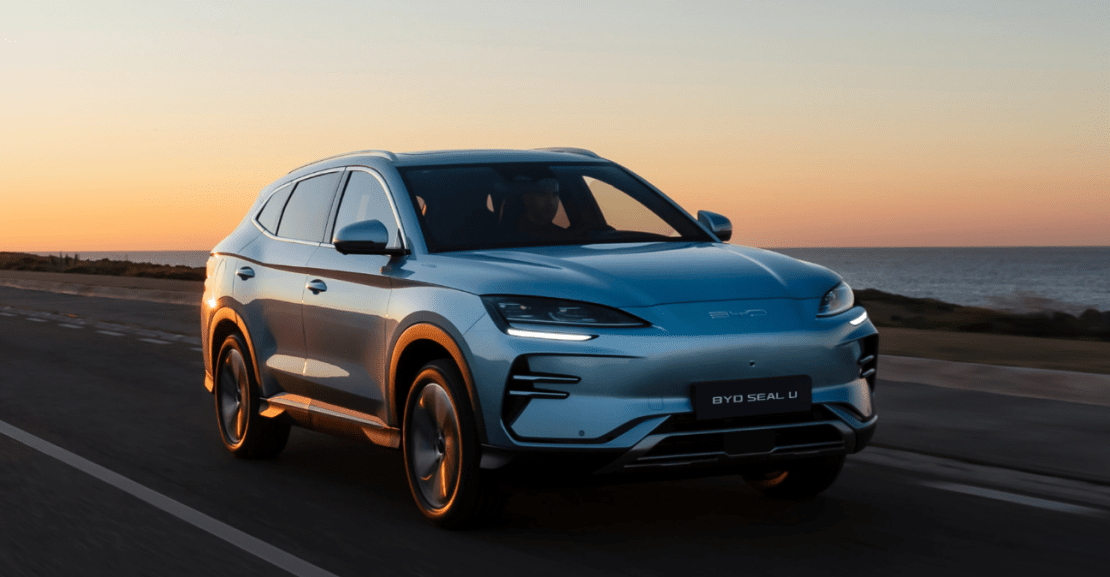
According to recent data from S&P Global Mobility comparing sales from 2020 to 2025, the tide has officially turned. BYD has now overtaken Tesla in 22 countries and regions. This surge isn’t limited to emerging markets; it includes European strongholds like the UK, Spain, and Italy, as well as high-end markets like Hong Kong and Singapore. By the end of 2025, BYD clinched the ultimate title: the world’s top-selling electric vehicle manufacturer.
The Philosophy of “Speed”
Back in 2021, BYD Chairman Wang Chuanfu hammered home a single message in internal meetings: Speed is survival. “Toyota and Volkswagen may be slow to pivot,” Wang warned, “but once they achieve a breakthrough, their momentum will be massive. BYD has to run faster.” That strategy paid off. Between 2021 and 2025, BYD’s footprint exploded, expanding its operations to 113 countries and regions globally.
Vertically Integrated, Globally Aggressive
Data from Chinese research firms shows that in 2025, the average price of a BYD passenger vehicle in China was approximately 114,000 RMB ($16,600 USD). By manufacturing its own batteries and core components, BYD has mastered cost control, allowing a steady stream of price-competitive EVs to flood the global market.
Take Uruguay as a case study. With a population of 3.4 million and annual sales of just 70,000 vehicles, it might seem small, but BYD played the long game. Starting with electric bus trials in the early 2010s, the company built deep relationships with local government and dealers. Today, BYD dominates the streets of Uruguay with both public transit and private passenger cars.
From “Exporting” to “Localizing”
To bypass rising trade barriers and tariffs, BYD is shifting its strategy from pure exports to localized production. Following the opening of plants in Thailand (2024) and Brazil (2025), its Hungarian factory is slated to begin production as early as late 2026.
BYD isn’t alone in this global “land grab”:
- Great Wall Motor has acquired a former Mercedes-Benz plant in Brazil.
- Chery took over a former Nissan facility in South Africa.
A Historic Milestone
In 2023, China overtook Japan as the world’s leading auto exporter. By 2025, the transition reached its peak: Chinese automakers hit a total global volume of approximately 27 million vehicles, surpassing Japanese manufacturers for the first time to become the world’s #1 automotive powerhouse.